
The SL-1200 series and the rise of club culture
For more than 50 years, Technics has pursued excellence in sound
with unwavering dedication, building turntables for people who love music.
The SL-1200 series grew alongside club music itself—
from hip-hop, disco, house and techno to the cultures that followed.
In the hands of DJs, it became an icon of club culture, soundtracking countless unforgettable nights.
Why have generations of DJs around the world continued to choose it?
The answer lies in the history of club music—
and the story of the SL-1200 series that grew with it.
This is where hip-hop began.
The direct-drive revolution
The SL-1200 series and the rise of club culture
For more than 50 years, Technics has pursued excellence in sound with unwavering dedication, building turntables for people who love music.
The SL-1200 series grew alongside club music itself—from hip-hop, disco, house and techno to the cultures that followed.
In the hands of DJs, it became an icon of club culture, soundtracking countless unforgettable nights.
Why have generations of DJs around the world continued to choose it?
The answer lies in the history of club music—and the story of the SL-1200 series that grew with it.
This is where hip-hop began.
The direct-drive revolution
Originally, a turntable was designed simply to play records.
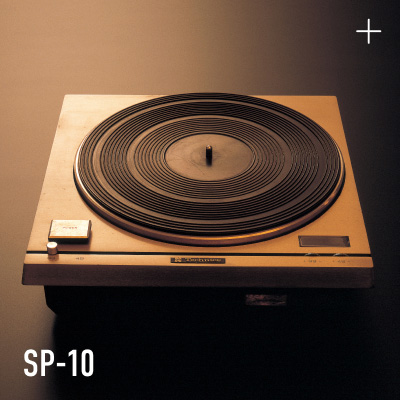
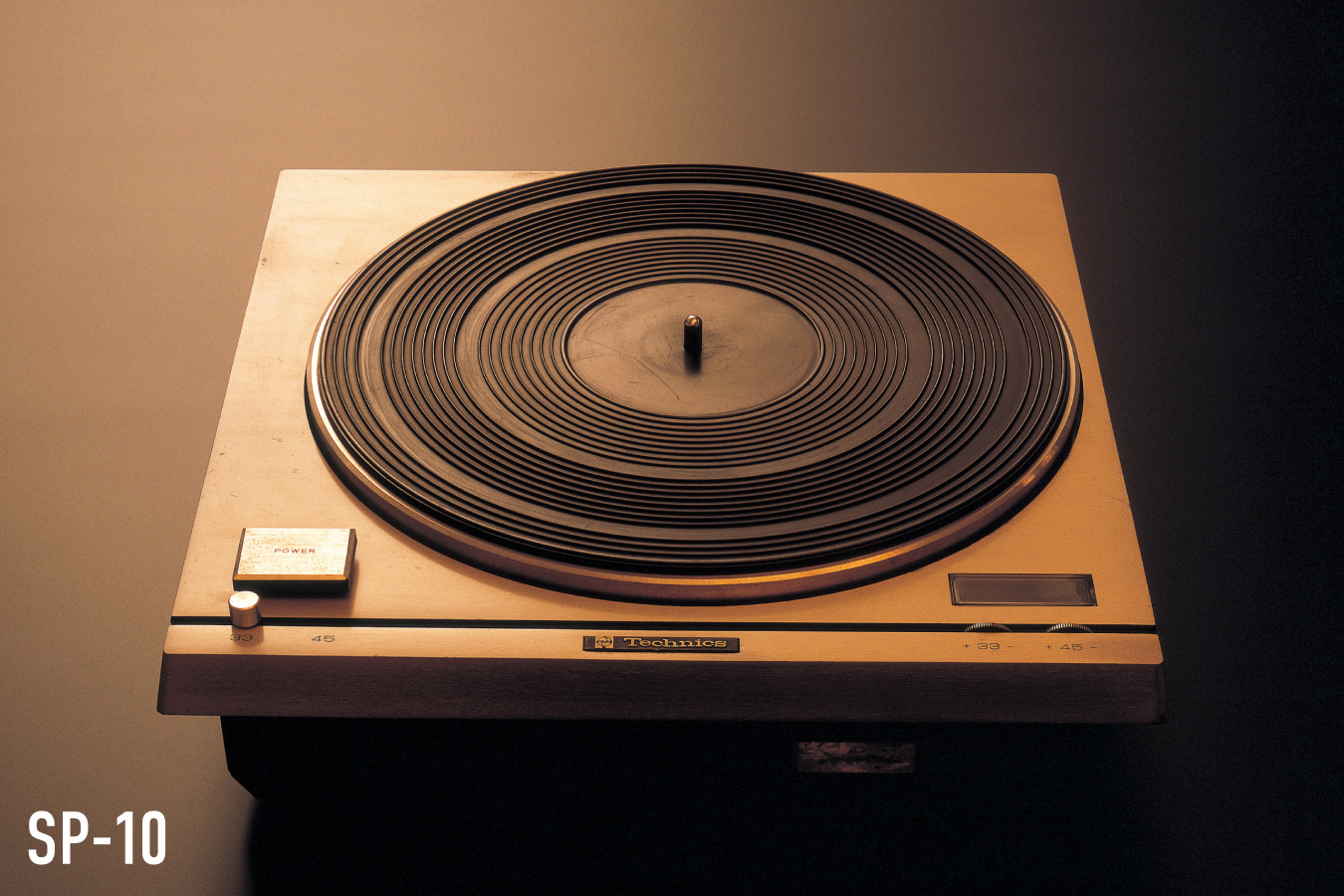
The SP-10, the world's first commercially available direct-drive turntable,
earned the trust of professionals for its precision, reliability and durability.
Adopted by broadcasters around the world, including the BBC,
it made Technics name in professional audio.
In the early 1970s, dedicated club venues were still rare in New York.
People gathered at block parties, bringing their own sound systems and equipment.
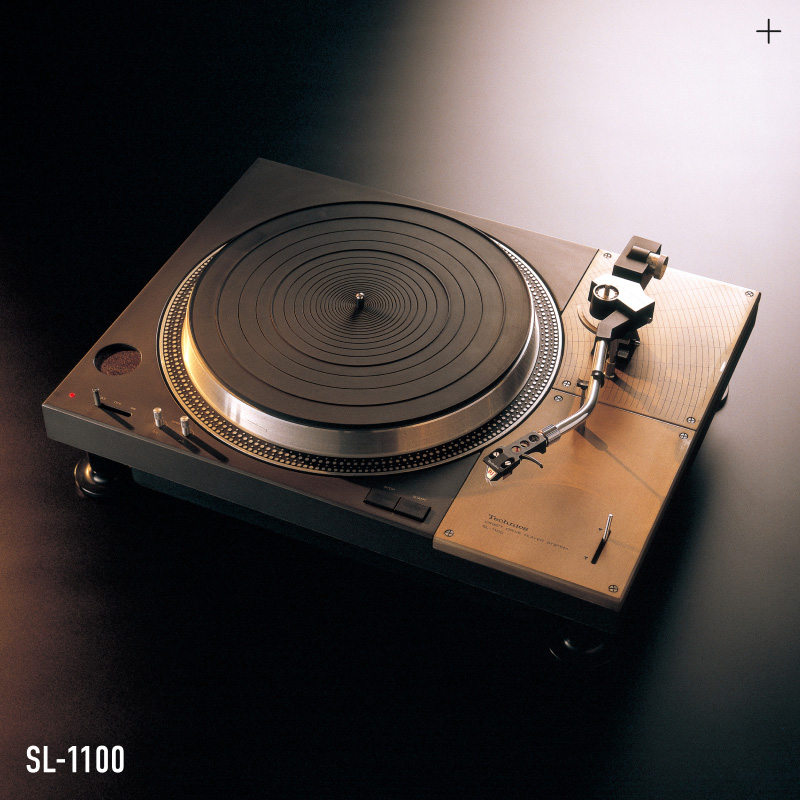
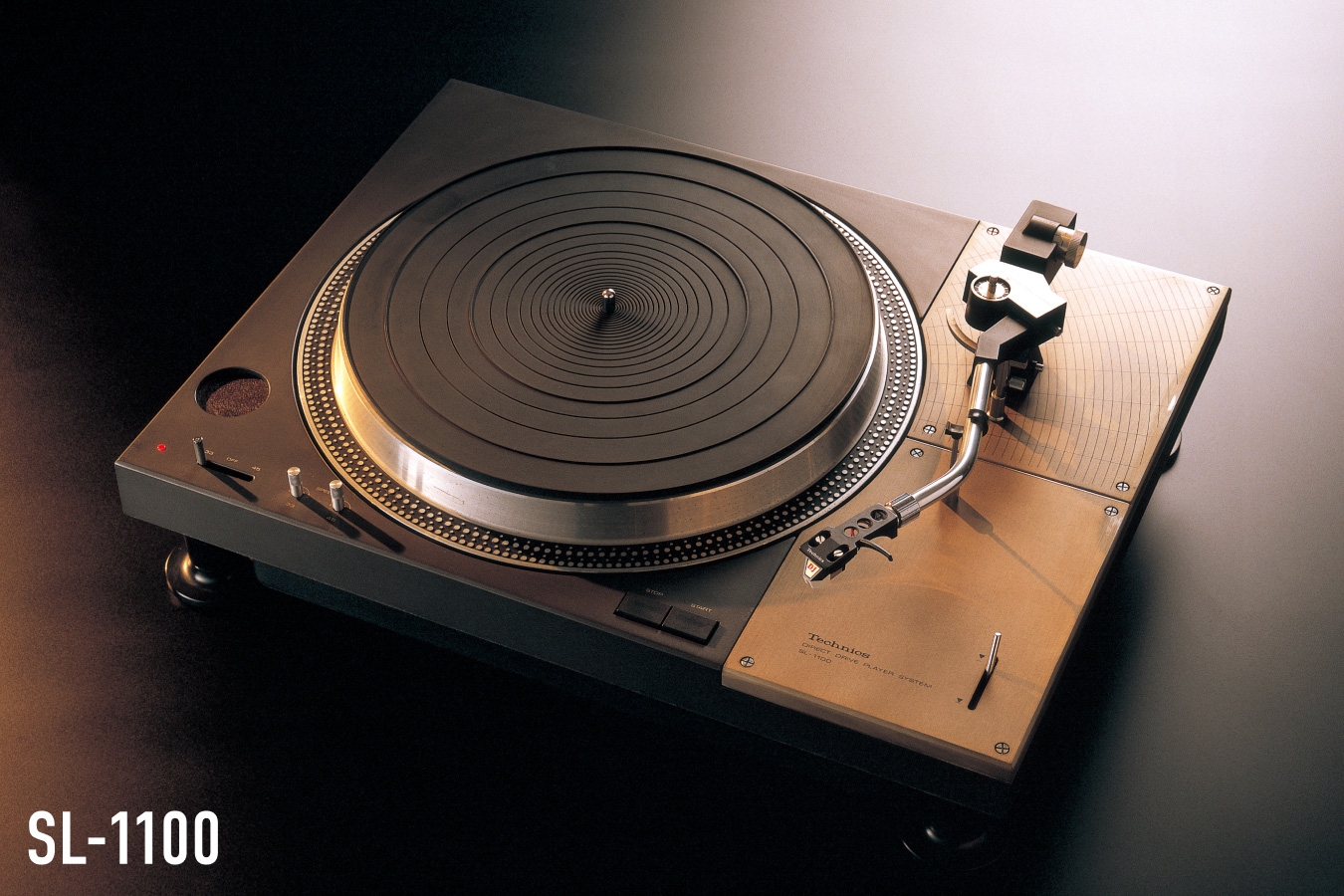
Rugged, portable and equipped with an integrated tonearm,
the SL-1100 happened to suit these environments remarkably well.
As disco and hip-hop were taking shape,
the SL-1100 found its place in the hands of DJs helping to define a new era of music.
In 1973, at his sister's birthday party in the Bronx, Kool Herc—later known as the father of hip-hop—
used two turntables to extend the drum breaks of the same record.
The infectious groove drove the crowd wild and laid the foundation for breakbeats,
a defining element of hip-hop music.
The turntable in his hands that night was the Technics SL-1100.
Originally, a turntable was designed simply to play records.
The SP-10, the world's first commercially available direct-drive turntable, earned the trust of professionals for its precision, reliability and durability. Adopted by broadcasters around the world, including the BBC, it made Technics name in professional audio.
In the early 1970s, dedicated club venues were still rare in New York. People gathered at block parties, bringing their own sound systems and equipment. Rugged, portable and equipped with an integrated tonearm, the SL-1100 happened to suit these environments remarkably well.
As disco and hip-hop were taking shape, the SL-1100 found its place in the hands of DJs helping to define a new era of music.
In 1973, at his sister's birthday party in the Bronx, Kool Herc—later known as the father of hip-hop—used two turntables to extend the drum breaks of the same record. The infectious groove drove the crowd wild and laid the foundation for breakbeats, a defining element of hip-hop music.
The turntable in his hands that night was the Technics SL-1100.
Note: Click the image to learn more.
When disco caught fire
When disco caught fire
As disco culture spread rapidly across the US in the 1970s,
DJs began using turntables in ways no one had imagined.
Equipment meant to be handled with care was pushed to its limits
as DJs scratched records and developed entirely new forms of expression.
The stability and the instant start of direct drive made these techniques possible.
For Technics engineers, the sight was astonishing—
DJs pushing turntables far beyond their intended use amid the overwhelming energy of the dance floor.
This surprise soon gave way to determination: to build the turntable this new culture deserved.
As disco culture spread rapidly across the US in the 1970s, DJs began using turntables in ways no one had imagined.
Equipment meant to be handled with care was pushed to its limits as DJs scratched records and developed entirely new forms of expression. The stability and the instant start of direct drive made these techniques possible.
For Technics engineers, the sight was astonishing—DJs pushing turntables far beyond their intended use amid the overwhelming energy of the dance floor.
This surprise soon gave way to determination: to build the turntable this new culture deserved.
Note: Click the image to learn more.
From playback device to instrument
The first turntable designed for DJs
From playback device to instrument
The first turntable designed for DJs
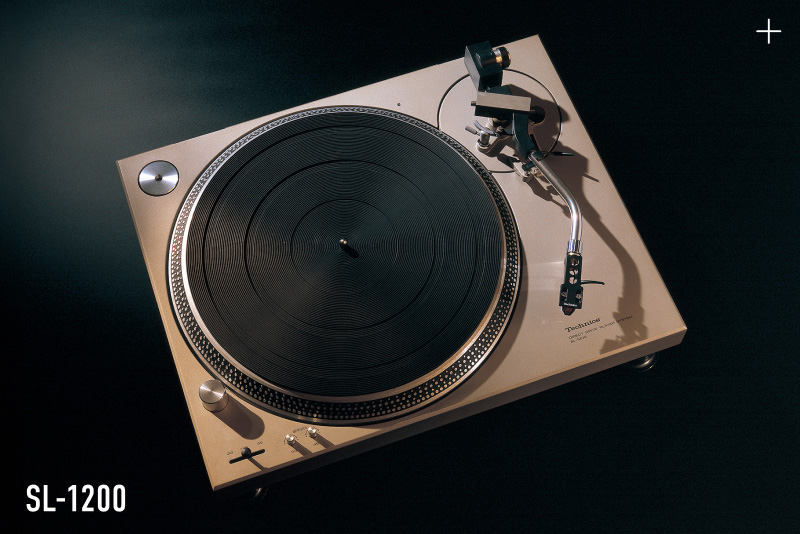
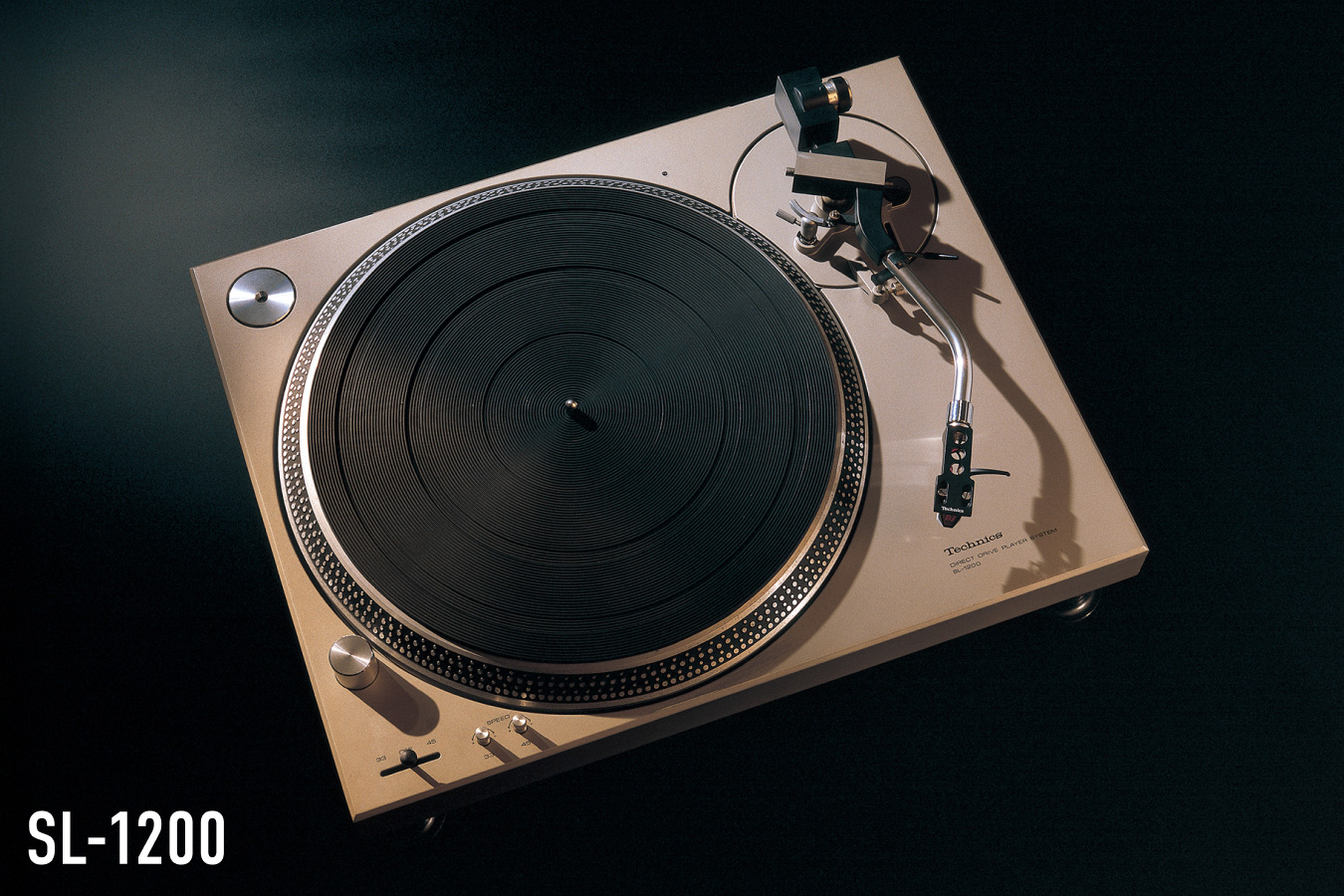
Determined to create a turntable for DJs, the Technics development team
visited discos across the US and listened to the DJs using them night after night.
One response came back again and again:
"Don't change the SL-1200 we know and trust."
DJs already swore by it. Any changes had to improve the experience without sacrificing what made it special.
Working in dark, high-volume environments and observing demanding techniques such as scratching,
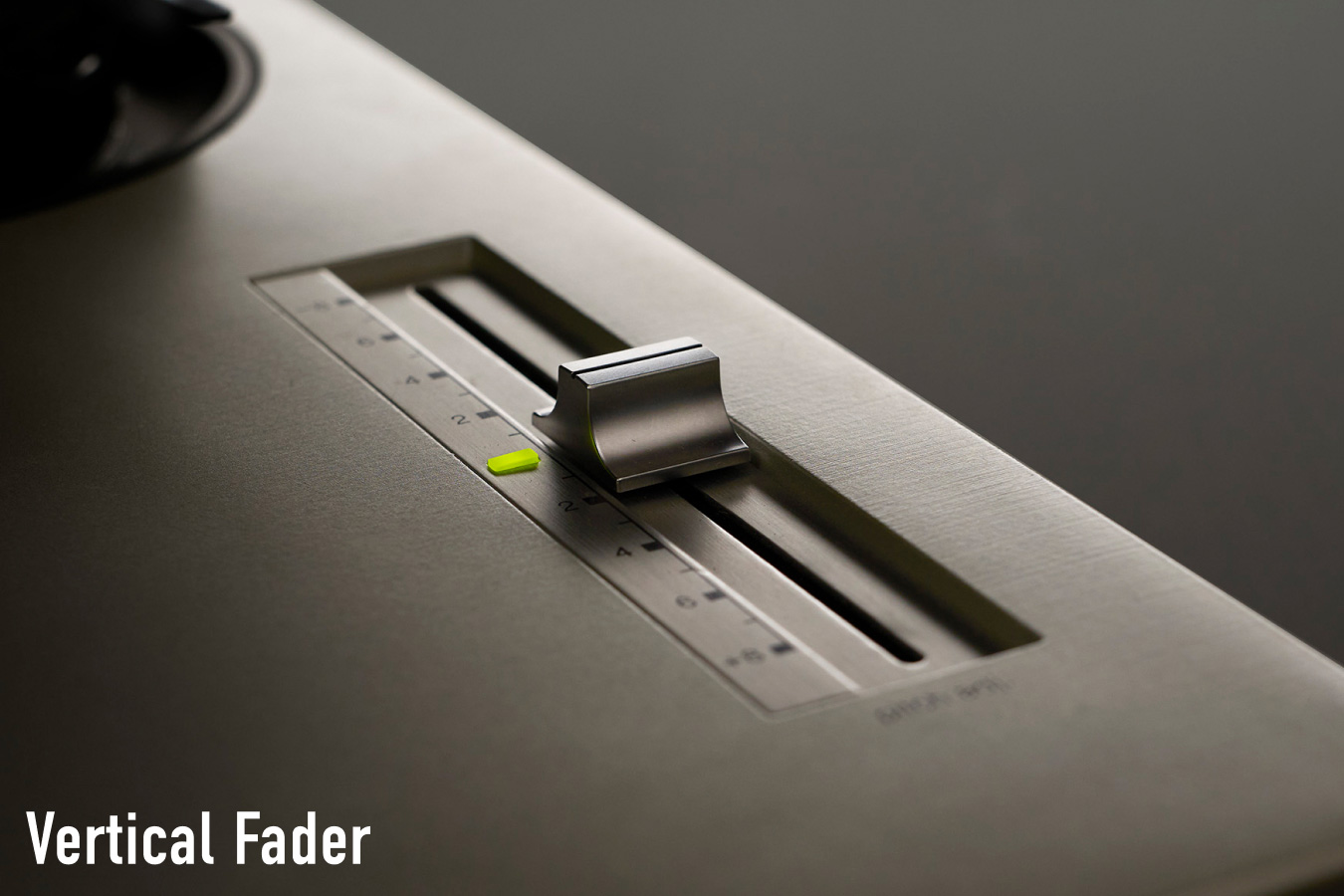
the team refined every aspect of performance—from operability and vibration resistance to visibility.
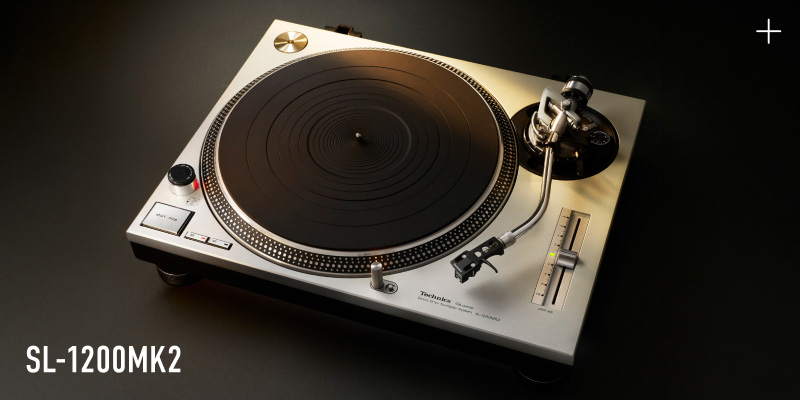
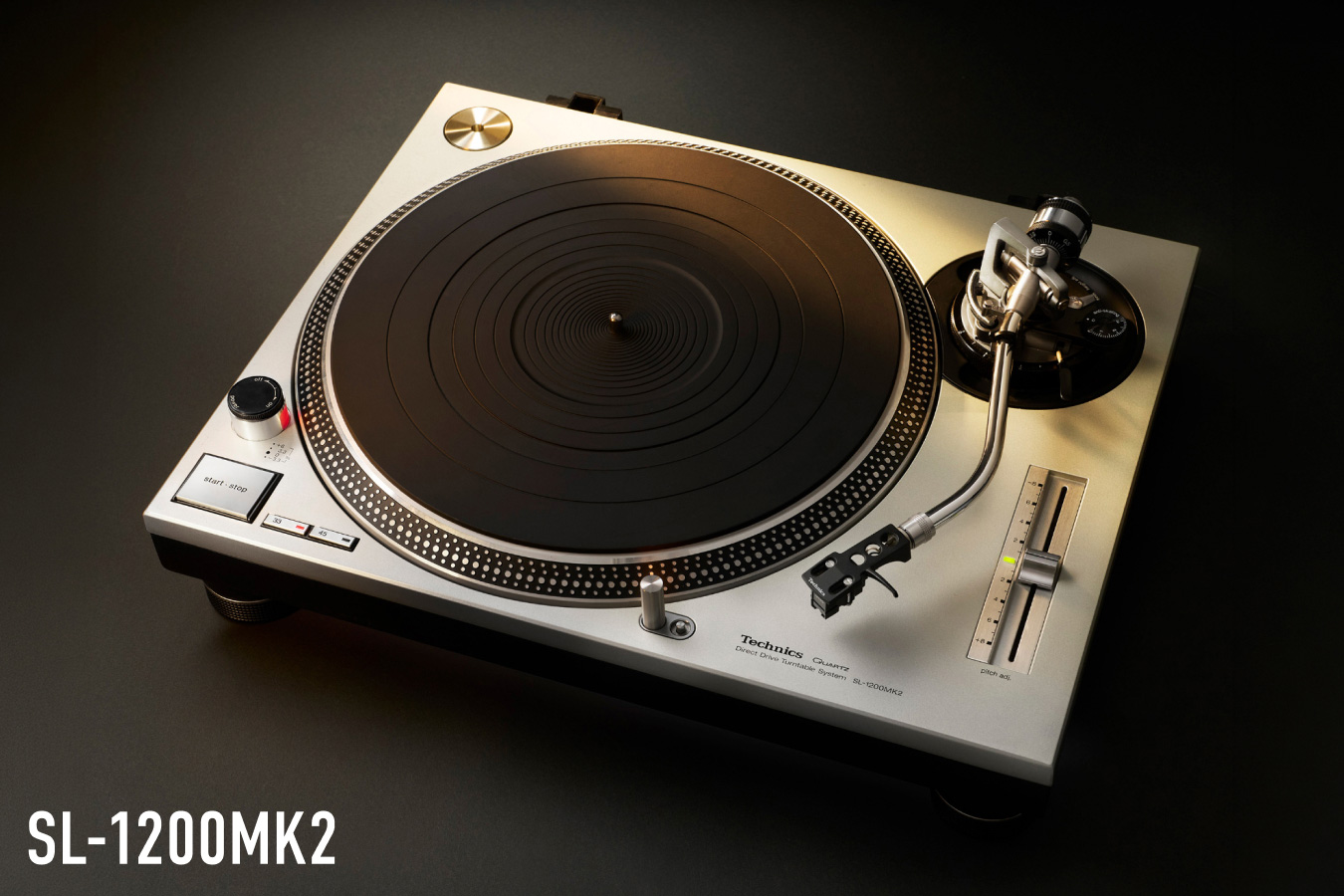
The result was the SL-1200MK2, launched in 1979.
The enhanced product quickly won over DJs and was embraced through clubs and discos around the world.
This was the moment the turntable transformed from a playback device into a musical instrument.
Determined to create a turntable for DJs, the Technics development team visited discos across the US and listened to the DJs using them night after night.
One response came back again and again:
"Don't change the SL-1200 we know and trust."
DJs already swore by it. Any changes had to improve the experience without sacrificing what made it special.
Working in dark, high-volume environments and observing demanding techniques such as scratching, the team refined every aspect of performance—from operability and vibration resistance to visibility.
The result was the SL-1200MK2, launched in 1979.
The enhanced product quickly won over DJs and was embraced through clubs and discos around the world.
This was the moment the turntable transformed from a playback device into a musical instrument.
Note: Click the image to learn more.
From club essential to global standard
From club essential to global standard
As club music flourished throughout the 1980s, DJs pushed their creativity and technical skill to new heights.
What began with hip-hop expanded into house, techno, acid jazz and many other genres.
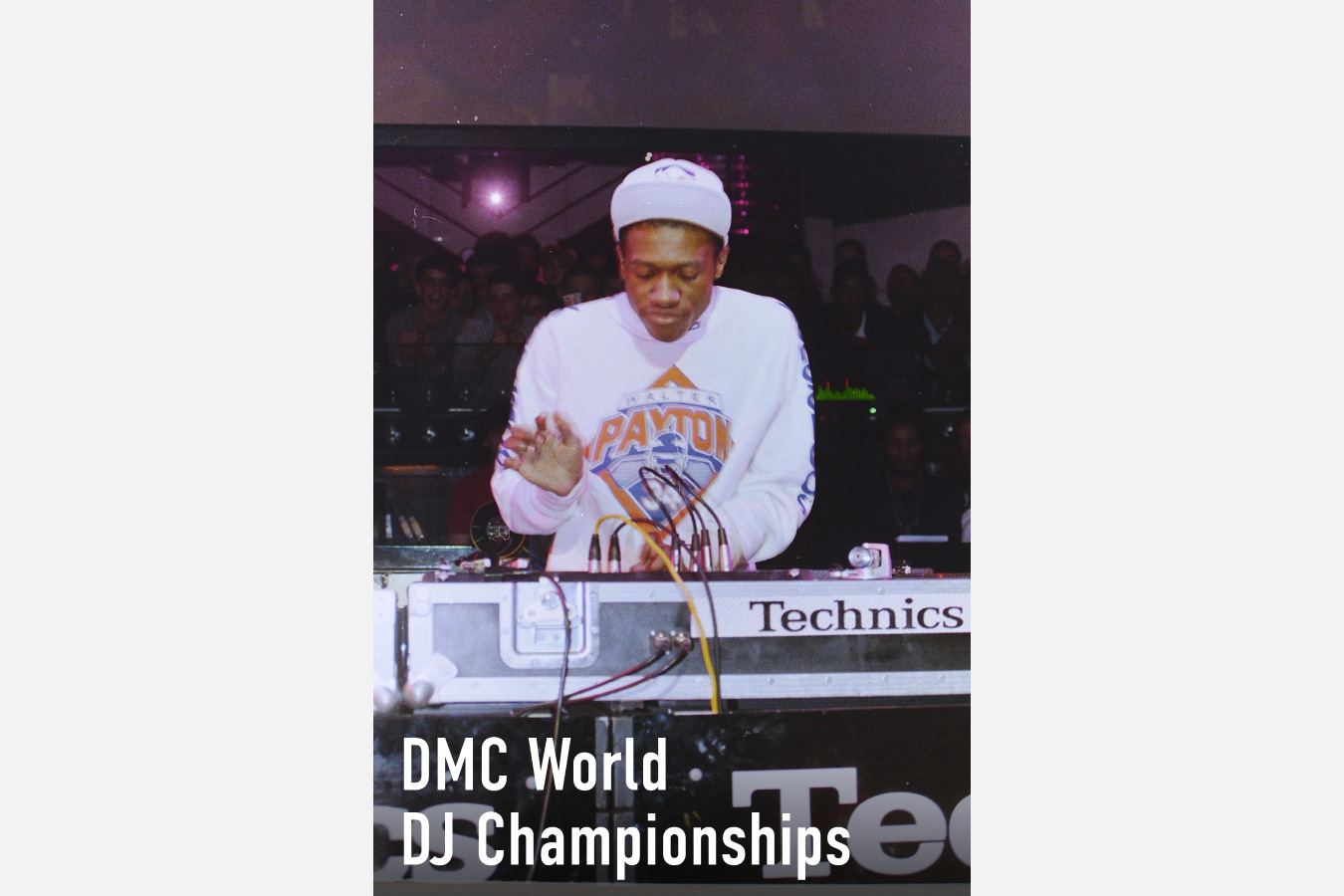
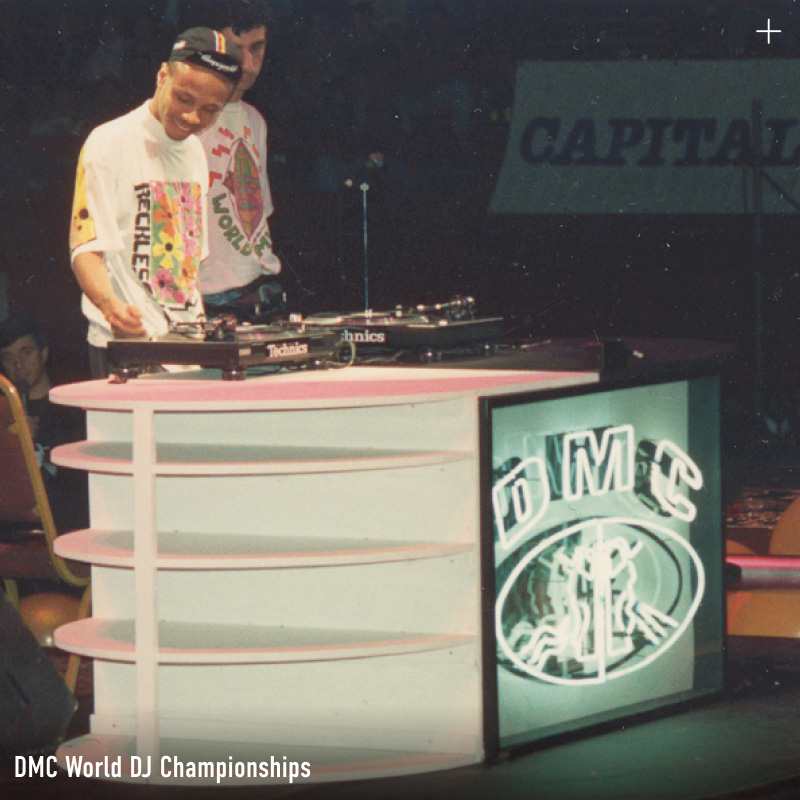
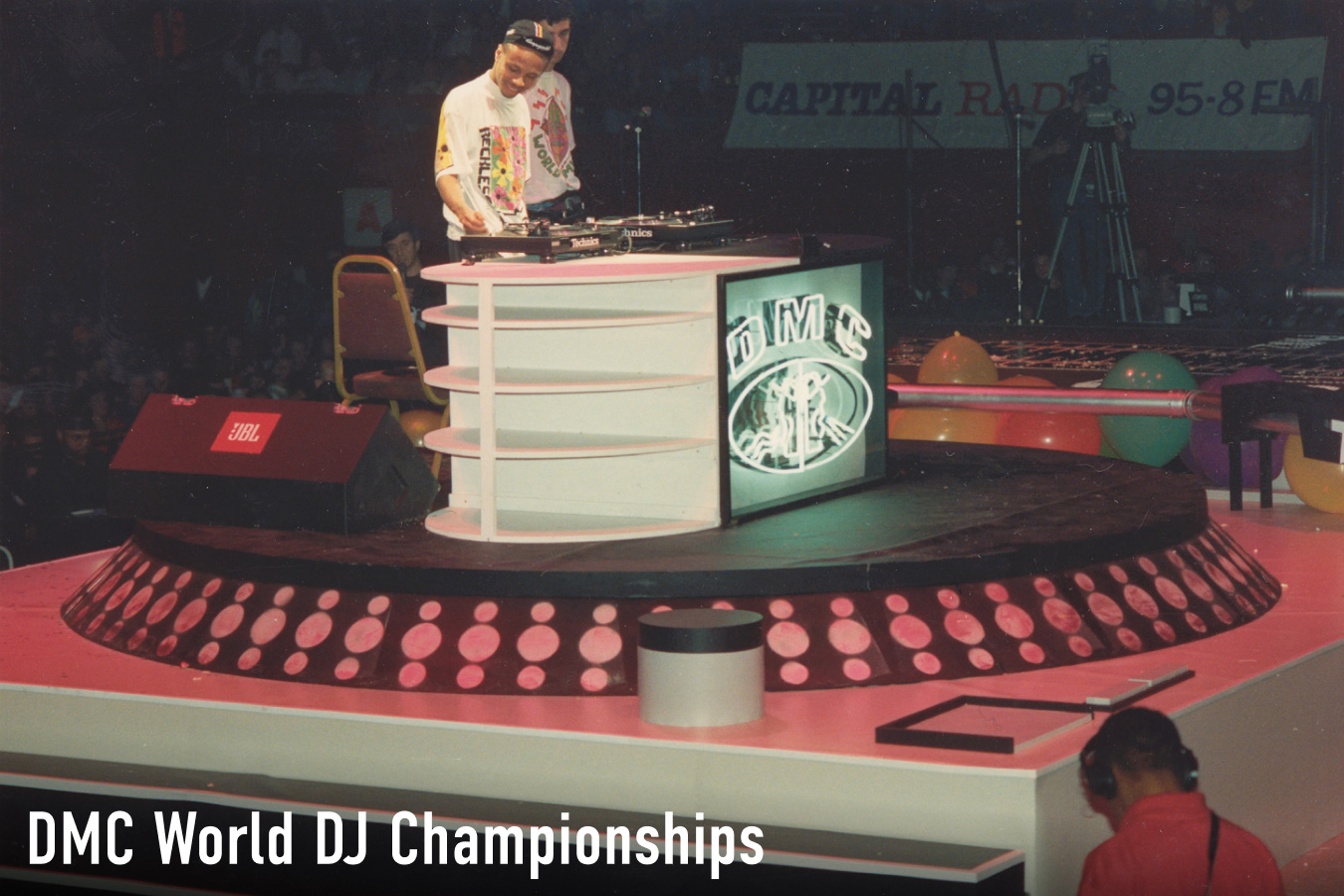
DJ competitions such as DMC drove the growth of turntablism—the art of transforming existing music
into something entirely new through scratching and other techniques.
A new kind of performer emerged: the turntablist,
using the turntable as a musical instrument to create original sounds and rhythms.
By the 1990s, club culture had spread around the world. As DJs rotated through venues night after night,
clubs needed one device any DJ could rely on to deliver consistency and a powerful performance.
The SL-1200 series earned the trust of DJs everywhere and became the club standard around the world.
As club music flourished throughout the 1980s, DJs pushed their creativity and technical skill to new heights.
What began with hip-hop expanded into house, techno, acid jazz and many other genres.
DJ competitions such as DMC drove the growth of turntablism—the art of transforming existing music into something entirely new through scratching and other techniques.
A new kind of performer emerged: the turntablist, using the turntable as a musical instrument to create original sounds and rhythms.
By the 1990s, club culture had spread around the world. As DJs rotated through venues night after night, clubs needed one device any DJ could rely on to deliver consistency and a powerful performance.
The SL-1200 series earned the trust of DJs everywhere and became the club standard around the world.
Note: Click the image to learn more.
Technics returns.
The MK7 and beyond
Technics returns.
The MK7 and beyond
As digital technology accelerated, Technics brought one chapter of its history to a close in 2010.
Yet calls for its return kept coming from around the world. Technics had not been forgotten.
Could decades of analog mastery be combined with modern digital technology
to create a new musical experience?
Guided by the belief that it could, Technics returned in 2014 under the banner "Rediscover Music."
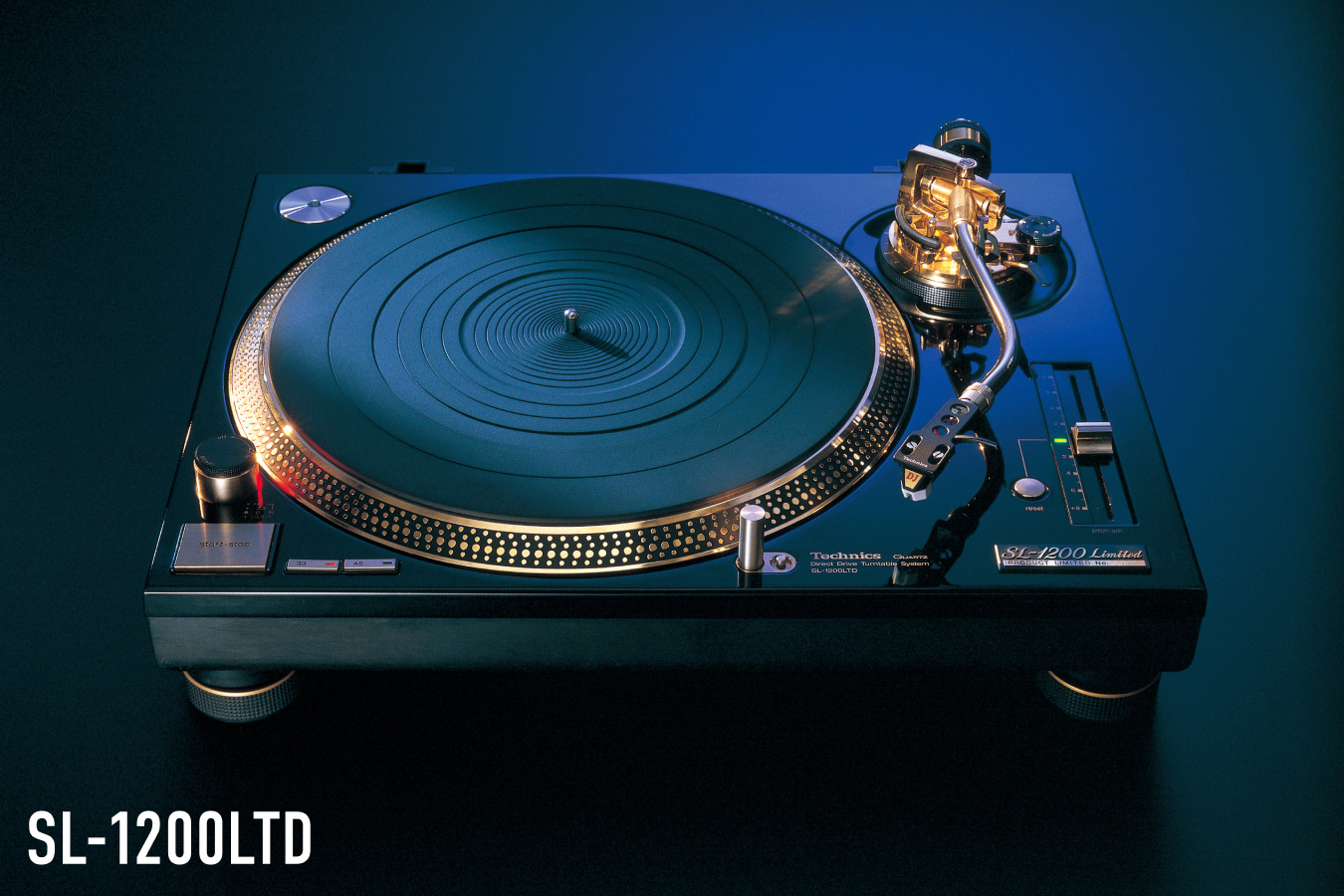
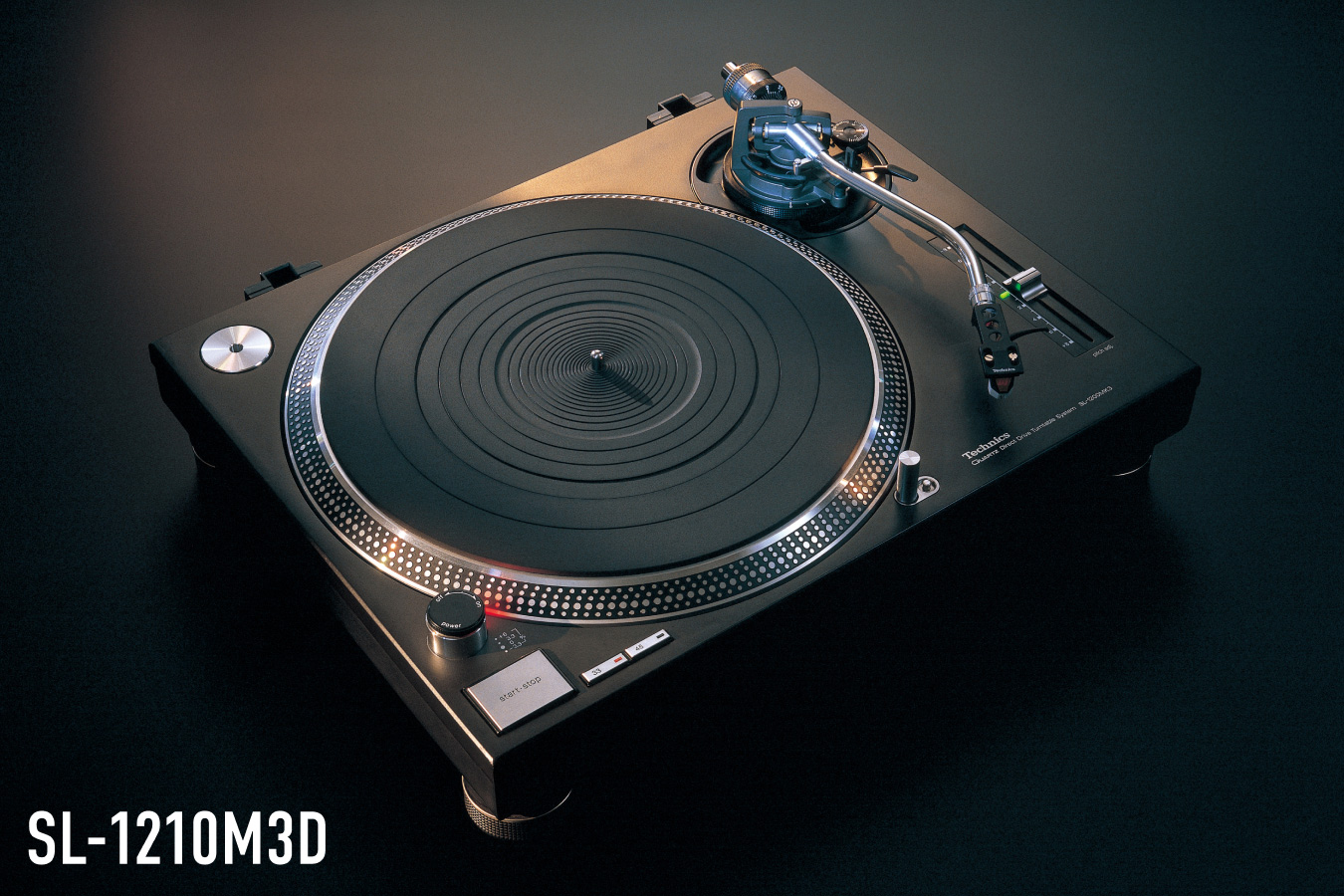
In 2019, the reborn Technics introduced the SL-1200MK7, featuring a coreless direct-drive motor
and advanced digital motor control to achieve even greater rotational accuracy.
The SL-1200 series has journeyed through music history,
delighting both dedicated listeners and DJs through the power of direct drive.
As it keeps evolving, Technics will continue to inspire new music,
new creativity and new culture for generations to come.
As digital technology accelerated, Technics brought one chapter of its history to a close in 2010.
Yet calls for its return kept coming from around the world. Technics had not been forgotten.
Could decades of analog mastery be combined with modern digital technology to create a new musical experience?
Guided by the belief that it could, Technics returned in 2014 under the banner "Rediscover Music."
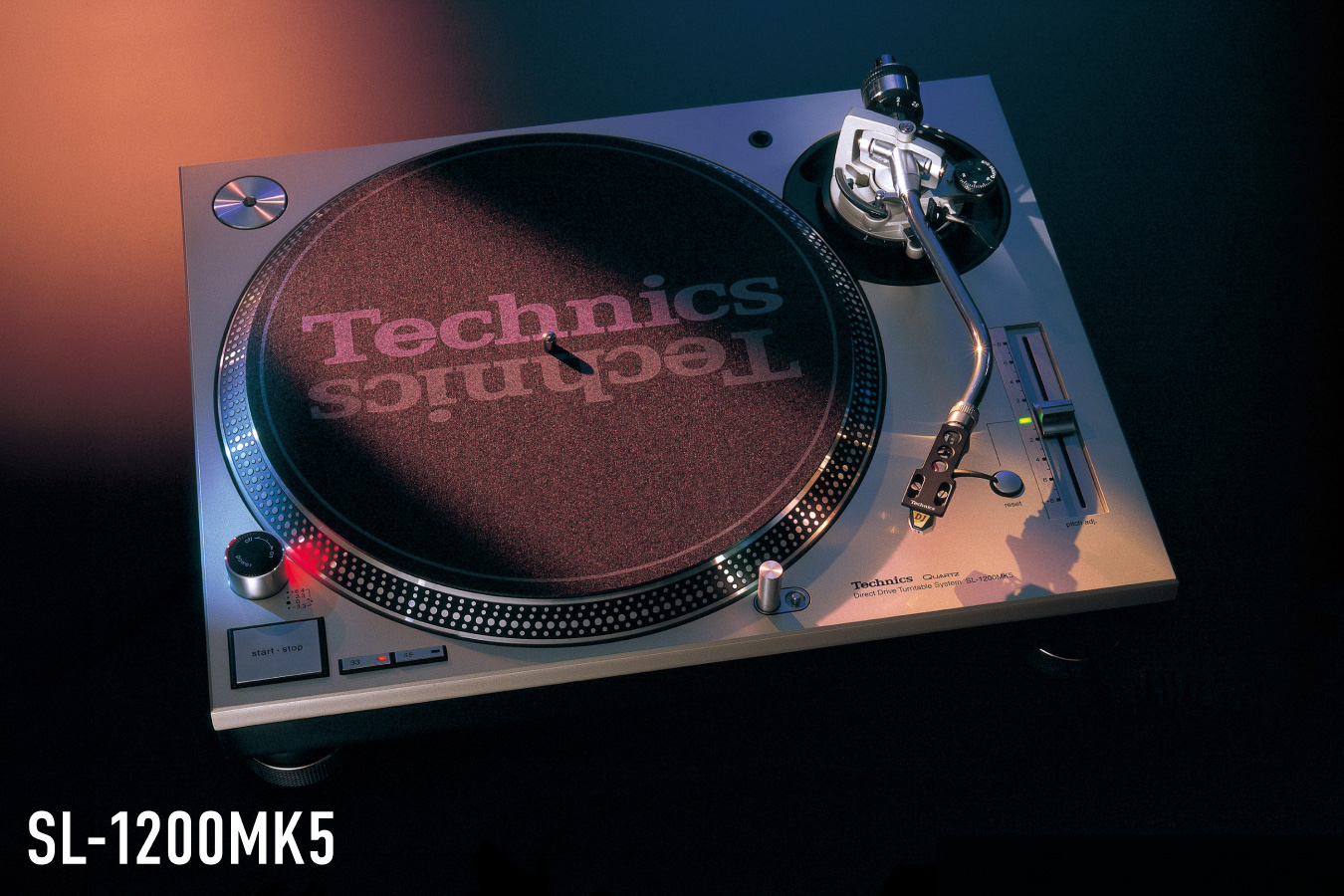
In 2019, the reborn Technics introduced the SL-1200MK7, featuring a coreless direct-drive motor and advanced digital motor control to achieve even greater rotational accuracy.
The SL-1200 series has journeyed through music history, delighting both dedicated listeners and DJs through the power of direct drive.
As it keeps evolving, Technics will continue to inspire new music, new creativity and new culture for generations to come.


The original for a reason.
It all began with Technics.
The original for a reason.
It all began with Technics.
Explore the features behind the performance.
Discover how every feature of the SL-1200 series contributes to precise,
expressive analog DJ performance.
Explore the features behind the performance.
Discover how the SL-1200 series and the rise of club culture became intertwined, shaping generations of music and DJs.


